


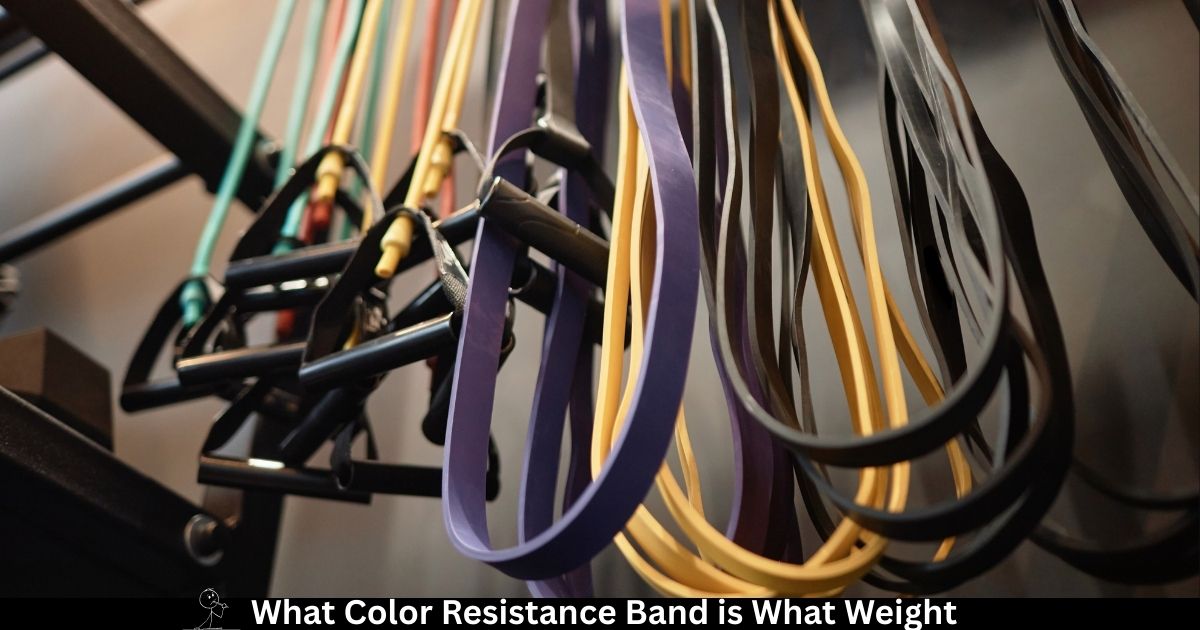
If you are new to fitness, you may have seen colorful rubber bands in the gym or at home workout videos. These are called resistance bands. They look simple, but they are very powerful tools for exercise.
Many people ask: what color resistance band is what weight? This is a common question because resistance bands come in different colors, and each color shows a different strength level.
But here is the tricky part – not all brands use the same colors for the same resistance. That means a green band from one brand may feel like medium weight, but in another brand, green could mean light weight. So it is important to understand the general color system and also check the brand chart before you use the bands.
In this blog, we will explain:
- Why colors matter in resistance bands
- A simple resistance band color chart
- How to choose the right band for your workout
- Safety tips for using bands
Let’s start step by step.
Why Resistance Band Colors Matter
Resistance bands are used for many exercises like stretching, strength training, rehabilitation, and even yoga. The color system makes it easy to know the level of resistance (or weight) without needing heavy dumbbells.
For example:
- A yellow band is usually very light, good for beginners.
- A black band is very strong, good for advanced users.
The color coding helps you:
- Pick the right band for your fitness level.
- Track your progress as you move from light to heavy bands.
- Avoid injury by not choosing a band that is too strong.
Important note: Every brand has its own system. So always check the packaging or chart from the company.
General Resistance Band Color Chart
Now let’s answer the main question: what color resistance band is what weight?
Here is a general chart that many brands follow:
- Yellow: Extra Light (best for beginners, warm-ups, and rehab)
- Red: Light (good for light strength training and toning)
- Green: Medium (suitable for general fitness, chest, and back workouts)
- Blue: Heavy (used for advanced strength exercises, legs, and glutes)
- Black: Extra Heavy (for experienced users, strong muscle training)
- Silver/Gold: Ultra Heavy (for athletes, very high resistance level)
This chart is not 100% the same everywhere, but it is a common guide.
Example:
If you are doing bicep curls with a yellow band, it feels like lifting maybe 2–5 lbs. With a black band, it can feel like lifting 20–30 lbs or more.
Choosing the Right Band for Your Workout
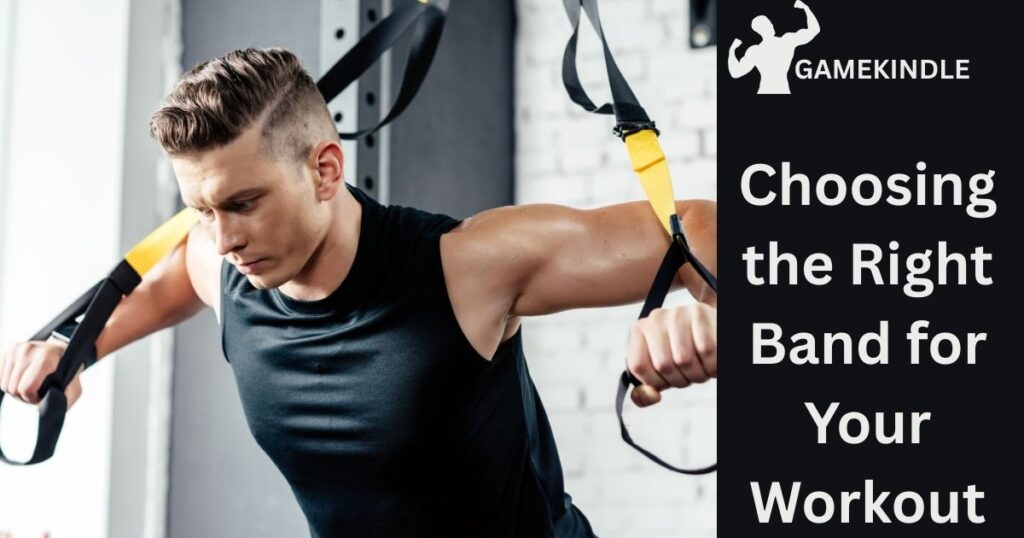
Not sure which band to pick? Let’s make it simple.
If you are a beginner
Start with yellow or red. These bands are light and safe. They help you learn the right form without hurting your muscles.
If you are intermediate
Move to green or blue. These give you medium to heavy resistance, good for building strength.
If you are advanced
Use black, silver, or gold. These are very strong and great for athletes or bodybuilders who want extra challenge.
Tip:
You can also combine two bands to increase the resistance. For example, use a red + green band together to make it harder.
Benefits of Resistance Bands by Color
- Yellow & Red (light bands): Perfect for stretching, rehab, warm-up.
- Green & Blue (medium to heavy): Best for full-body workouts and strength.
- Black, Silver, Gold (extra heavy): Great for power training, athletes.
✅ Pros and ❌ Cons of Resistance Bands
Pros
- Portable and lightweight – Easy to carry anywhere (great for travel).
- Affordable – A full set costs much less than dumbbells or machines.
- Versatile – Can target arms, legs, chest, back, and core.
- Safe for joints – Less impact compared to heavy free weights.
- Progressive training – You can move gradually from light to heavy bands.
- Space-saving – Perfect for home workouts without needing bulky equipment.
Cons
- Resistance varies by brand – Colors are not universal, which can be confusing.
- Less precise resistance – Unlike dumbbells, it’s harder to know the exact “weight.”
- Durability issues – Bands can wear out, crack, or snap if not cared for.
- Limited maximum resistance – For very advanced bodybuilders, bands alone may not be enough for maximum muscle growth.
- Stability challenge – Some exercises require proper anchoring to prevent slipping.
Tips for Safe and Effective Use of Resistance Bands
Using resistance bands is very safe compared to heavy weights, but you must still be careful. Here are simple tips:
1. Check the Band Before Use
Always look at the band before starting your workout. If the band has cracks, small tears, or looks old, do not use it. A broken band can snap and hurt you.
2. Choose the Right Band for the Right Exercise
Do not pick a black band if you are just warming up your shoulders. Use a yellow or red band instead. Heavy bands are for legs, glutes, or advanced strength.
3. Secure the Band
When you tie or step on the band, make sure it is stable. If it slips, it may cause injury. Always double-check the anchor point.
4. Control the Movement
Do not pull the band too fast. Move slowly and smoothly. This gives your muscles better tension and prevents accidents.
5. Store the Band Properly
Keep your resistance bands in a cool, dry place. Heat, sunlight, and moisture can damage the rubber.
Brand Differences in Resistance Band Colors
Here is the big confusion: not all brands use the same color chart.
For example:
- TheraBand: Yellow is light, red is medium, green is heavy.
- Bodylastics: Yellow is lighter, green is medium, black is heavy.
- Fit Simplify: Their mini loop bands have different colors compared to long bands.
This is why the question “what color resistance band is what weight” does not always have one single answer.
Tip for you: Always check the brand chart or manual before you start. Most companies provide a guide with their resistance levels in pounds or kilograms.
Workout Examples by Band Color
Now let’s make it practical. Here are some simple exercises with color guidance.
1. Yellow Band (Extra Light)
- Shoulder warm-up
- Stretching before yoga
- Rehab after injury
- Beginner squats
2. Red Band (Light)
- Bicep curls
- Side steps for glutes
- Tricep extensions
- Beginner chest press
3. Green Band (Medium)
- Squats with band around thighs
- Seated row for back muscles
- Standing chest fly
- Core twists
4. Blue Band (Heavy)
- Deadlifts with resistance band
- Leg press (band under feet)
- Push-ups with band around shoulders
- Lat pull-down
5. Black Band (Extra Heavy)
- Advanced squats and lunges
- Glute bridges
- Pull-up assistance (if loop band)
- Power training
6. Silver/Gold (Ultra Heavy)
- Athlete training
- Explosive workouts
- Very strong resistance for bodybuilders
Who Should Use Which Band?
- Beginners → Yellow or Red
- Intermediate → Green or Blue
- Advanced / Athletes → Black, Silver, Gold
This way, you do not skip steps. If you jump from yellow to black too fast, your muscles may not be ready.
Why Choose Resistance Bands Over Weights?
Some people ask, “Why not just lift dumbbells?” Good question. Here are reasons:
- Lightweight & Portable → You can carry bands anywhere.
- Safe for Joints → Less stress than heavy weights.
- Versatile → Can train arms, legs, chest, back, and core.
- Cheaper → One set of bands is much cheaper than a set of dumbbells.
- Progressive Training → Easy to move from light to heavy resistance.
So, if you are working out at home, traveling, or just starting fitness, resistance bands are the best option.
Frequently Asked Questions (FAQs)
1. What color resistance band should a beginner use?
If you are new, start with yellow or red bands. These are light and safe. They help you learn the exercise without too much pressure on your muscles.
2. Are all resistance band colors the same across brands?
No. Different brands use different colors. For example, one brand’s green band may be medium, but another brand’s green may be light. Always check the brand chart.
3. What color resistance band is the hardest?
Usually, black, silver, or gold are the heaviest. These are for advanced users or athletes.
4. Can resistance bands replace weights?
Yes and no. Bands give strong resistance and are great for home workouts, travel, and rehab. But if you want maximum muscle growth, free weights and machines can add extra challenge. Many people use both together.
5. Do resistance bands break easily?
If you take care of them, they last long. Store them away from heat, sun, and sharp objects. Always check for cracks before use.
Common Mistakes People Make With Resistance Bands

- Skipping Warm-Up – Always warm up with light bands before using heavy ones.
- Wrong Band for Exercise – Example: using a heavy black band for shoulders can cause injury.
- Not Controlling the Motion – Pulling too fast reduces effectiveness. Slow and steady gives better results.
- Ignoring Band Quality – Cheap bands may snap. It’s better to buy from trusted brands.
- Jumping Too Fast – Don’t go from yellow to black in one week. Build strength step by step.
How to Progress With Resistance Bands
Progress is very important in fitness. Here’s how to do it with bands:
- Step 1: Start Light – Use yellow or red until you can do 15–20 reps easily.
- Step 2: Move to Medium – Shift to green or blue once the lighter bands feel easy.
- Step 3: Go Heavy – When medium feels easy, use black or stronger.
- Step 4: Combine Bands – You can mix two bands together for more resistance. Example: red + green.
- Step 5: Advanced Training – Use heavy bands for explosive workouts, squats, and power training.
Why Understanding Band Colors Is Important
When people ask “what color resistance band is what weight”, they really want to know which band matches their fitness level.
- If you choose too light a band → You won’t build strength.
- If you choose too heavy a band → You may hurt your muscles.
That’s why knowing the color chart is so important. It makes your workouts safe, effective, and goal-friendly.
Conclusion
Resistance bands are one of the most useful fitness tools. They are cheap, portable, safe, and effective for all fitness levels. But many people get confused with the colors.
Now you know the basics:
- Yellow = very light
- Red = light
- Green = medium
- Blue = heavy
- Black = extra heavy
- Silver/Gold = ultra heavy
✅ Pros: Portable, safe, versatile, affordable
❌ Cons: Varying resistance across brands, can wear out over time
Whether you are a beginner, intermediate, or advanced, resistance bands can help you build strength step by step. Just start light, move up slowly, and stay consistent.
Final Call to Action
If you are serious about fitness, get a set of resistance bands today. Start with light bands and progress at your own speed. They are perfect for:
- Home workouts
- Travel workouts
- Strength training
- Stretching and rehab
Your fitness journey can be simple, safe, and affordable — with just the right band in the right color.
