


What Size Resistance Band for Glutes
Do you want strong glutes? Resistance bands can help. They are cheap, small, and easy to use. But many people ask, “what size resistance band for glutes?” Choosing the right band is important. The wrong band can make exercise hard or useless.
This guide will help you pick the best band for your glute exercises. We will use simple words. You do not need to be a fitness expert.
What Are Resistance Bands?
Resistance bands are stretchy bands. You pull or stretch them during exercise. They make your muscles work harder.
Types of Bands
- Loop Bands – Circle shape, go around legs. Good for glute exercises.
- Mini Bands – Small loop, wear above knees. Good for clamshells and lateral walks.
- Tube Bands – Have handles. Can be used for full-body exercises.
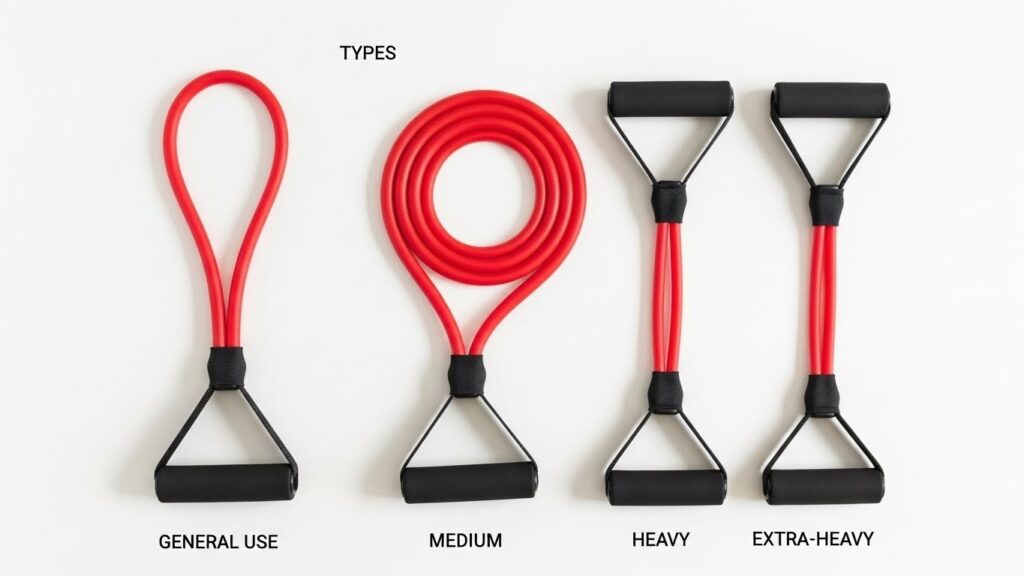
Resistance Levels
Bands come in different resistance levels:
- Light – Easy, for beginners.
- Medium – Good for normal strength.
- Heavy – Hard, for strong muscles.
- Extra-Heavy – Very hard, for advanced users.
Tip: Start easy. Increase resistance slowly.
Why Use Resistance Bands for Glutes
Benefits
Using bands for glutes is very effective. They:
- Make your glutes stronger
- Help shape and lift glutes
- Improve muscle activation
- Reduce injury risk
How Bands Work on Glutes
Bands keep constant tension on muscles. Even when you stop moving, muscles are working. This is better than bodyweight only. Bands help target glute medius, glute maximus, and glute minimus.
How to Choose the Right Resistance Band
Factors to Consider
- Your Strength Level – Beginner, intermediate, or advanced
- Body Type – Heavier people may need stronger bands
- Exercise Type – Squats, bridges, kickbacks, or lateral walks
Band Thickness and Length
- Thicker bands – Stronger resistance
- Thinner bands – Less resistance
- Short bands – Harder to stretch
- Long bands – Easier to use
Tip: Pick a band that challenges your muscles but lets you move correctly.
Best Band Sizes for Glute Exercises
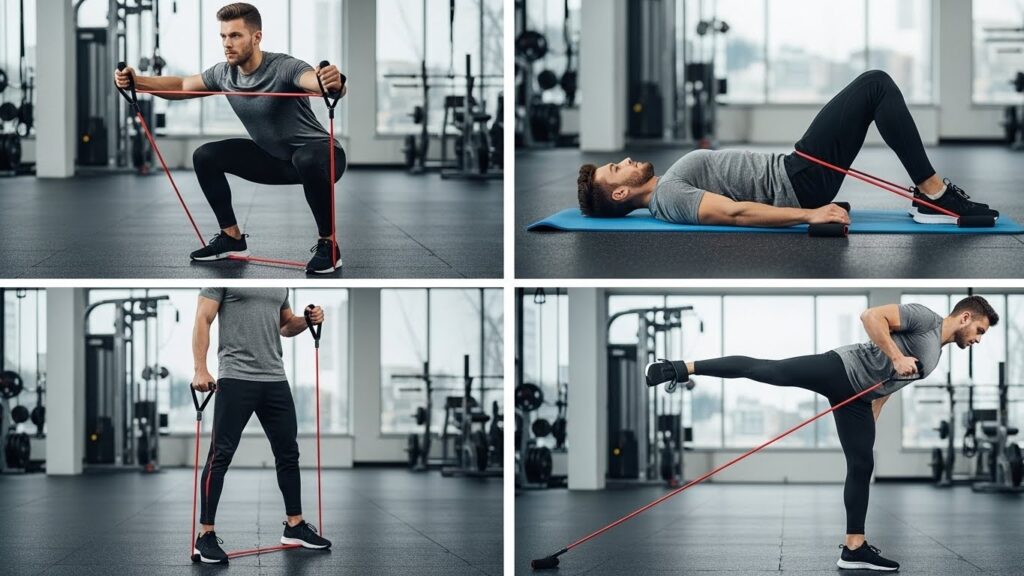
Squats
Use medium or heavy loop bands. Place above knees. Helps glutes work more.
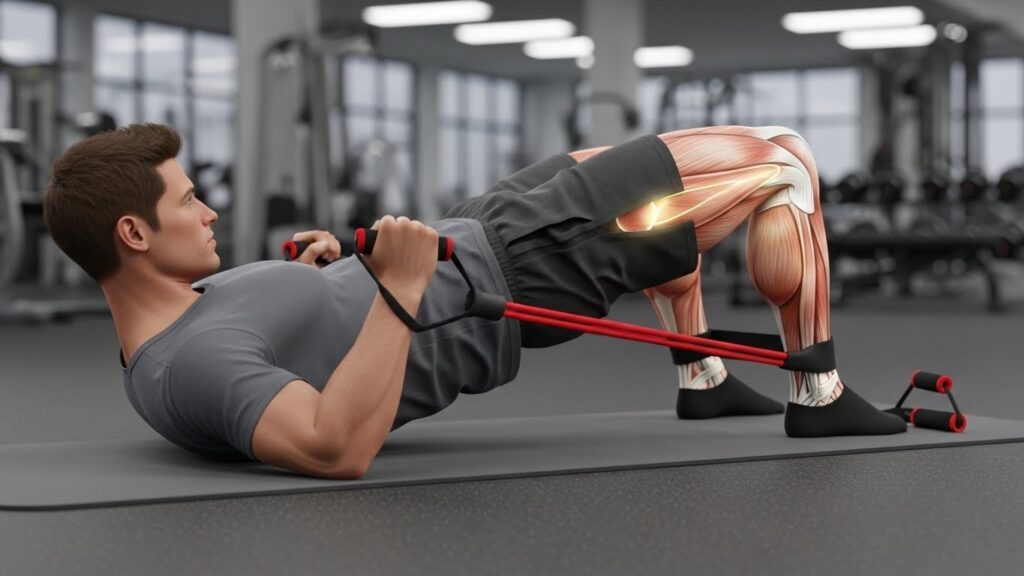
Glute Bridges
Use light or medium bands. Place above knees. Helps lift hips correctly.
Lateral Walks
Use medium bands. Keep knees bent. Step sideways. Works outer glutes.
Clamshells
Use light bands first. Slowly increase. Helps glute medius.
Kickbacks
Use light bands. Pull leg back slowly. Focus on muscle.
Beginner Tips
- Start with light bands
- Focus on form, not strength
- Do 10–15 reps per set
- Increase reps before increasing resistance
Intermediate and Advanced Tips
Once you feel comfortable with light or medium bands, it’s time to step up your glute game.
Increase Resistance Gradually
- Move from light → medium → heavy bands slowly.
- Don’t rush. Your muscles need time to adapt.
- For example, if squats feel easy, switch to a heavier band next session.
Combine Bands
- Some advanced users stack bands for more resistance.
- Example: Use a medium band plus a mini band on top of knees.
- This adds extra challenge for glute strength and activation.
Mix with Bodyweight or Weights
- Add dumbbells or kettlebells for extra intensity.
- Bands plus weight = maximum glute engagement.
Advanced Tips for Maximum Glute Growth
Once you are comfortable with intermediate bands, you can take your glute workouts to the next level. Here’s how:
1. Progressive Overload
- Slowly increase band resistance over weeks.
- Example: Start with medium band for squats, after 2–3 weeks switch to heavy band.
- Always keep good form; resistance is useless if your body cheats.
2. Supersets for Glutes
- Combine two exercises without rest.
- Example: Clamshells + Glute Bridges.
- This keeps your glutes under tension longer and improves muscle growth.
3. Combining Bands with Weights
- Use dumbbells or kettlebells with bands for squats or bridges.
- Adds extra resistance and burns more calories.
- Good for toning and lifting glutes faster.
More Glute Exercises with Bands
1. Standing Kickbacks
- Use a light band around ankles.
- Kick one leg back slowly.
- Focus on squeezing your glute muscles.
2. Donkey Kicks
- Band around knees.
- Kick up and back.
- Do 12–15 reps per leg.
3. Hip Abductions
- Stand or lie down with a medium band around thighs.
- Move legs sideways slowly.
- Strengthens outer glutes and hips.
4. Fire Hydrants
- Band above knees.
- Lift knee to side while on hands and knees.
- Good for glute medius activation.
Tips for Beginners and Easy Wins
- Warm-up first: 5 minutes of light cardio or leg stretches.
- Focus on glute squeeze: Always tighten glutes during exercises.
- Short sessions work: Even 15–20 minutes daily is effective.
- Use multiple bands: Light for small exercises, medium/heavy for bigger moves.
Common Mistakes
Even simple exercises can go wrong. Avoid these:
1. Using Too Light or Too Heavy Bands
- Light band = little effect, no muscle growth.
- Heavy band = bad form, injury risk.
- Find the right resistance for your level.
2. Bad Placement
- Band too high or too low reduces effectiveness.
- Correct position: above knees or mid-thigh for most exercises.
3. Ignoring Progression
- Staying on the same band forever = no results.
- Gradually increase resistance or reps.
Tips to Maximize Glute Workouts
- Keep tension: Don’t let band snap back. Controlled movement matters.
- Focus on mind-muscle connection: Think about glutes working.
- Mix exercises: Combine squats, bridges, kickbacks, clamshells.
- Use LSI keywords: “glute activation bands,” “resistance band booty workout,” “best band for glutes.”
Safety and Care of Bands
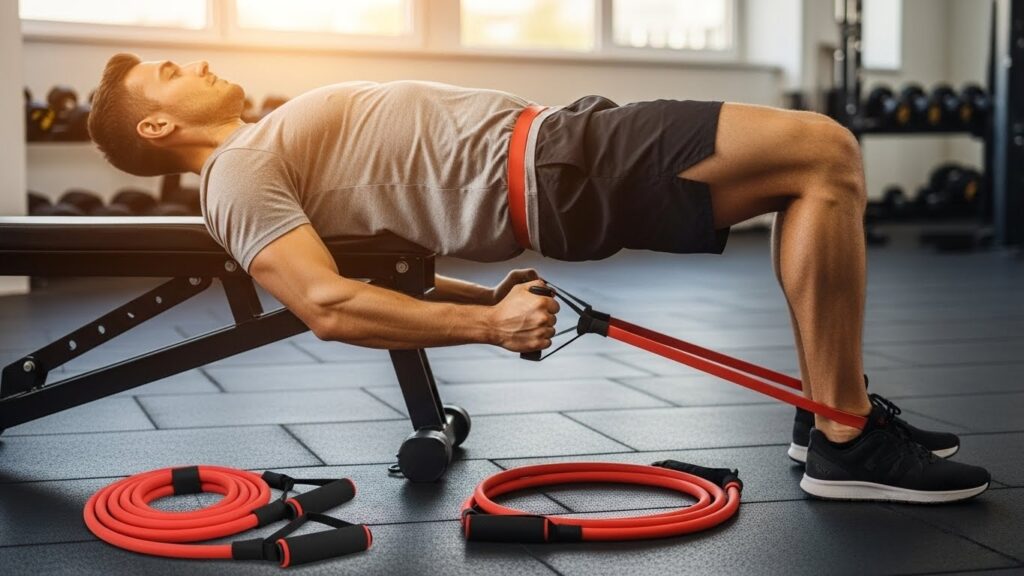
- Check for tears or cracks before every use.
- Avoid stretching beyond band limits.
- Store in a cool, dry place.
- Clean bands with mild soap and water.
- Replace bands when they lose elasticity or show damage.
Tip: Safe bands = long-lasting bands = safe glute gains.
Glute Exercise Routine Example
Here’s a simple routine using bands:
- Squats – 3 sets x 15 reps (medium band)
- Glute Bridges – 3 sets x 12 reps (light/medium band)
- Lateral Band Walks – 3 sets x 10 steps each side (medium band)
- Clamshells – 3 sets x 12 reps (light band)
- Kickbacks – 3 sets x 12 reps each leg (light band)
Tip: Rest 30–60 seconds between sets. Focus on glute squeeze at peak movement.
Progress Tracking
- Keep a workout log. Write band size, reps, sets.
- Note when exercise becomes easy → increase band or reps.
- Take pictures monthly to see progress visually.
FAQs
Q1: How do I know which band is right for me?
- Pick a band that allows 10–15 reps with some effort but correct form.
Q2: Can bands replace weights for glutes?
- Yes! Bands can provide enough resistance for strength and shaping.
Q3: How often should I change my band?
- Inspect every month. Replace if you see cracks or stretched elasticity.
Q4: Are heavier bands better for glutes?
- Not always. Use heavier bands only when you maintain good form.
Q5: Can bands help with hip mobility?
Yes, bands improve flexibility, mobility, and glute strength simultaneously.
Conclusion
Choosing the right resistance band for glutes is simple when you know your level and exercises. Start light, focus on form, then increase resistance gradually. Bands are cheap, easy, and effective. With patience and consistency, your glutes will get stronger, rounder, and firmer.
